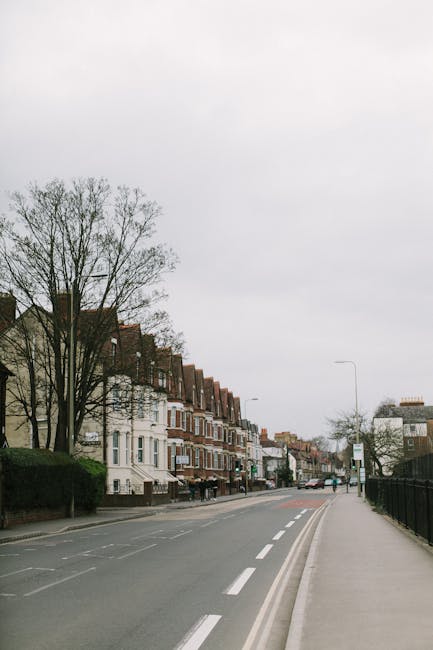
Flat removals KT1 Tudor Road Fife Road access tips
If you are planning a flat move around Tudor Road or Fife Road in KT1, the biggest challenge is often not the boxes. It is the access. Narrow approaches, awkward parking, neighbours coming and going, a shared entrance, maybe a staircase that feels steeper on moving day than it ever did before. Sound familiar? That is exactly why Flat removals KT1 Tudor Road Fife Road access tips matter so much: they help you avoid delays, reduce lifting risks, and keep the move calm rather than chaotic.
In this guide, we'll walk through how local flat removals usually work, what to check before the van arrives, which access issues cause the most trouble, and how to plan so the whole thing runs more smoothly. You will also find a practical checklist, a simple comparison table, and a realistic example based on the kind of move people in Kingston deal with all the time.
For a broader look at moving support in the area, you may also find flat removals in Kingston upon Thames useful, especially if your move is part of a wider home or tenant handover.
Quick takeaway: the better you understand access before moving day, the less likely you are to face last-minute parking problems, extra carrying distance, or rushed decisions at the kerb. A bit of planning goes a long way. Honestly, it can save the whole day.
Table of Contents
- Why Flat removals KT1 Tudor Road Fife Road access tips Matters
- How Flat removals KT1 Tudor Road Fife Road access tips Works
- Key Benefits and Practical Advantages
- Who This Is For and When It Makes Sense
- Step-by-Step Guidance
- Expert Tips for Better Results
- Common Mistakes to Avoid
- Tools, Resources and Recommendations
- Law, Compliance, Standards, or Best Practice
- Options, Methods, or Comparison Table
- Case Study or Real-World Example
- Practical Checklist
- Conclusion
- Frequently Asked Questions
Why Flat removals KT1 Tudor Road Fife Road access tips Matters
Flat moves in KT1 can look simple on paper and then become surprisingly fiddly in real life. Tudor Road and Fife Road are the sort of local streets where access can change the whole pace of the job. A van may fit, but the question is whether it can stop safely, unload without blocking traffic, and leave enough room for furniture to be carried without damage. That is the real issue.
When people search for access tips, they usually want one thing: fewer surprises. And that is fair enough. No one wants a sofa stuck halfway through a communal hallway while someone else is trying to get past with shopping bags. To be fair, that is exactly the sort of problem that is easy to prevent with a little local planning.
Access planning matters because it affects:
- how close the removal van can park to the entrance
- how far items need to be carried
- how many people should help with lifting
- whether bulky items need to be dismantled in advance
- the risk of damage to walls, floors, doors, or banisters
- the overall time and cost of the move
For tenants, landlords, and first-time buyers alike, access is not a side issue. It often decides whether moving day feels efficient or exhausting. If you are also sorting packing, timing, and transport, it can help to look at the wider removal services in Kingston upon Thames so the job is planned as one complete process rather than a string of guesswork.
How Flat removals KT1 Tudor Road Fife Road access tips Works
The process is straightforward once you break it down. First, you assess the access at both properties. Then you decide how the van will park, which route items will take from flat to vehicle, and whether there are any obstacles such as tight stairwells, entry codes, low ceilings, or shared corridors.
In practice, local access planning usually starts with a few questions:
- Where can the van stop without causing a problem?
- Is there a loading bay, permit zone, or unrestricted spot nearby?
- How far is the front door from the vehicle?
- Are there lifts, or will everything need to be carried downstairs?
- Are there any narrow turns, heavy fire doors, or restricted entry times?
The best removals teams do not just turn up and hope for the best. They ask about access early, plan the order of loading, and decide whether the move is better handled with a smaller vehicle or a larger one. In some cases, a well-planned man with a van service is the most sensible option because it gives you flexibility on tight residential streets.
And yes, sometimes the smallest practical detail matters most. A single set of keys, a missing intercom code, or a door that swings the wrong way can slow everything down. The move itself may still be fine. It just takes longer and feels more stressful than it should.
Key Benefits and Practical Advantages
Good access planning gives you more than convenience. It protects your time, your belongings, and your energy. That matters, especially if you are moving from a flat with limited storage or carrying everything by hand down several flights of stairs. Let's face it, a moving day is tiring enough without avoidable complications.
Here are the main benefits:
- Less stress: you know where the van will go and how items will get out safely.
- Faster loading: the team spends less time walking back and forth.
- Lower damage risk: careful access routes reduce knocks, scrapes, and corner damage.
- Better cost control: smoother access often means fewer delays and less labour time.
- Safer lifting: fewer awkward turns and less rushing around tight spaces.
- Cleaner handover: you are more likely to leave the property in good condition.
There is also a quieter benefit that people sometimes overlook: confidence. When you have done the prep work, you stop worrying about the unknowns. That alone can make the day feel much more manageable.
If you want to compare service options or understand what a typical move might involve, the services overview and man and van Kingston upon Thames pages are useful next reads.
Who This Is For and When It Makes Sense
These access tips are most useful if you are moving from or into a flat in KT1 where street parking, stair access, or shared entrances could become a bottleneck. That includes plenty of everyday situations:
- first-time renters moving between compact flats
- students with furniture, books, and a few awkward bags
- couples moving into a new-build apartment or older conversion
- downsizers who need careful handling for bulky furniture
- people moving on a tight timetable between tenancies
- anyone using a small van or same-day move in a busy area
It also makes sense if your building has limited visitor parking, intercom access, or rules about where moving vehicles can stop. In Kingston, those small access constraints are common enough that they deserve proper attention, not a quick shrug and a hope for the best.
If you are relocating because you have bought or sold property locally, the guides on buying real estate in Kingston and Kingston property sales can help you connect the move to the wider property timeline. That timing piece matters more than people think.
Step-by-Step Guidance
Here is a practical way to organise the move so access does not catch you out.
- Walk the route in advance. Start at the flat door and follow the path to the street. Notice tight corners, steps, low railings, and doors that may need to be held open.
- Check parking options. Look at where the van can safely stop and whether that spot is realistic for the size of vehicle you need.
- Measure bulky items. Sofas, mattresses, wardrobes, fridges, and beds are the usual troublemakers. Measure them. Then check door widths and stair turns.
- Decide what comes apart. Beds, table legs, and some wardrobes are easier to handle dismantled. That can save a lot of awkward shuffling.
- Label the route. If you have helpers, make sure they know which items go first and where to place them in the van. Small organisation, big difference.
- Confirm access details with the mover. Tell them about entry codes, lift booking times, and any need to protect floors or communal areas.
- Prepare the exit point. Keep hallways clear. Place shoes, bins, plants, and loose items out of the way. Sounds obvious, but it gets missed all the time.
- Keep essentials separate. Documents, chargers, medication, keys, and a kettle if you are sentimental about tea. Put them in one bag you can find quickly.
For more packing support, the packing and boxes page is a handy companion. And if you need storage between handover and move-in, that is worth looking at early rather than as a last-minute rescue plan.
Expert Tips for Better Results
These are the little things that usually make the biggest difference.
1. Treat the street like part of the job. A flat move is not just about the building. The road itself matters. On streets like Tudor Road and Fife Road, a van parked badly can create tension fast. A cleaner loading plan, shorter carry distance, and clear communication help avoid that.
2. Book your loading slot realistically. If access is tight, do not squeeze the schedule too much. Rushing increases mistakes. A small delay at the start is better than a damaged wall at the end.
3. Protect shared spaces before the first item moves. Corridors, lifts, door frames, and stair edges take a beating during flat removals. Floor runners, blankets, and corner protection are worth using where appropriate.
4. Ask about the van size rather than guessing. Bigger is not always better. On a tricky residential street, the most suitable vehicle is the one that can park safely and still do the job efficiently.
5. Keep the neighbour factor in mind. A polite heads-up can go a long way, especially in a quieter block. Nobody likes their doorway blocked without warning. Truth be told, people are usually more relaxed if they know what is happening.
6. Use a company that is transparent about timing and rates. If you are comparing providers, take a look at man with van rates so you understand how pricing is typically structured. Clear pricing makes planning a lot easier.
7. Keep a little flexibility in your day. One of the best moving-day habits is giving yourself breathing room. The van might arrive perfectly on time, or it might get delayed by traffic or parking. A calm 20-minute buffer can spare you a lot of teeth-gritting.
Common Mistakes to Avoid
Most access problems are predictable. That is the good news. The bad news? They are also the ones people repeat.
- Not checking parking in advance: assuming the van can just stop outside is a classic mistake.
- Forgetting about stairs and turns: a sofa that looks fine in the lounge can become a nightmare on the landing.
- Ignoring building rules: some blocks have lift booking windows or moving restrictions that need to be respected.
- Packing too late: if boxes are not ready, access delays become even more frustrating.
- Leaving clutter in the route: bags, lamps, and small furniture in hallways slow the team down.
- Not telling the mover about the real access conditions: if you downplay the challenge, they may arrive with the wrong plan.
- Assuming one helper will be enough: for a difficult stairwell or long carry, that is often optimistic in the wrong way.
One more thing: do not leave door access to memory. If there is a code, a key safe, a concierge arrangement, or a shared entry process, write it down. Moving day has a funny way of making simple things disappear from your brain.
Tools, Resources and Recommendations
You do not need specialist equipment for every flat move, but the right basics make a difference. A few sensible tools and materials can turn a difficult access route into a much more manageable one.
| Item | Why it helps | Best used for |
|---|---|---|
| Furniture blankets | Protects corners and surfaces during tight manoeuvres | Doors, walls, stair edges, wardrobes, tables |
| Ratchet straps | Keeps items stable inside the van | Heavy furniture and stacked boxes |
| Door wedges | Stops doors swinging shut mid-move | Shared entrances and internal doors |
| Floor protection | Reduces scuffs in hallways and entrance areas | Communal spaces and freshly cleaned flats |
| Labels and marker pens | Makes loading and unloading far more organised | Room-by-room sorting and priority boxes |
Useful non-physical resources include a basic room inventory, your tenancy or completion schedule, and a clear written note of the access route. If you are moving at short notice, the same-day removals page is worth checking because fast moves need especially tidy access planning.
If you have specialist items, such as a piano or heavy display cabinet, it is sensible to choose a mover with the right experience rather than trying to improvise. The page on furniture removals in Kingston upon Thames explains the sort of handling that can make a difference.
Law, Compliance, Standards, or Best Practice
For most domestic flat removals, the biggest compliance issues are practical rather than legal in the dramatic sense. You are usually dealing with building rules, parking expectations, safe lifting, and respect for neighbours and shared spaces. That said, these points are still important.
Good practice usually includes:
- checking whether the building has moving restrictions
- making sure access does not block fire exits or emergency routes
- using safe lifting techniques and the right number of people for heavy items
- protecting communal areas from avoidable damage
- being clear about insurance, liability, and what is covered
It is also sensible to work with a company that is transparent about its service terms, safety approach, and complaint process. That is not just paperwork. It tells you how seriously they treat the job. You can review the company's insurance and safety, along with the terms and conditions and complaints procedure pages, to understand that side properly.
For ethical and operational transparency, the company also publishes its modern slavery statement and recycling and sustainability information. Those pages help build trust, and in a service business, trust matters. A lot.
Options, Methods, or Comparison Table
There is no single best way to handle a flat removal. The right method depends on access, volume, and how much help you need. Here is a simple comparison to make the decision easier.
| Approach | Best for | Pros | Watch-outs |
|---|---|---|---|
| Man and van | Small to medium flat moves with flexible access | Agile, practical, often cost-effective | May need more trips if the load is larger than expected |
| Full removal service | Larger moves or more awkward furniture | More hands, more coordination, less physical strain | Can be more than you need for a very small move |
| Student-style compact move | Light loads, quick turnaround, fewer items | Simple and usually quick | Not ideal for bulky furniture or difficult stair access |
| Storage plus removal | Moves split across dates or delayed handovers | Reduces pressure if dates do not line up | Requires extra planning and added handling |
If your move is compact and access is fairly tight, a local man and a van in Kingston upon Thames can be a practical fit. If you need a broader package, compare that with house removals in Kingston upon Thames or even storage in Kingston upon Thames if your dates do not line up neatly.
Case Study or Real-World Example
Imagine a second-floor flat near Tudor Road with a narrow stairwell and a front entrance that opens directly onto a small residential road. The occupier has a bed frame, a two-seater sofa, several boxes, and a heavy chest of drawers. Nothing exotic. Just a normal move, really. But the access makes it slightly awkward.
Here is how a sensible plan would work:
- The mover checks whether the van can stop close enough for safe unloading.
- The sofa is measured before moving day, and the feet are removed to reduce width.
- Boxes are labelled so the team can prioritise the heaviest items first.
- The stair route is cleared the night before, not five minutes before the van arrives.
- Floor protection is placed in the communal hallway to reduce scuffs.
- The load order is arranged so that the heaviest items go in first, with lighter boxes around them.
The result? Less stopping and starting, fewer awkward turns, and a calmer exit from the flat. No drama. No last-minute panic about whether a wardrobe will fit around the landing. That is the kind of small, invisible success that makes a good move feel easy.
In a slightly different scenario, a tenant moving from Fife Road might have a same-day handover and not much room for delay. In that case, the right combination of removal van support, pre-packed boxes, and clear access notes can be the difference between finishing before dark and still carrying items at dusk. Not ideal. Best avoided if at all possible.
Practical Checklist
Use this checklist in the days before your move. It is simple, but it works.
- Confirm the moving date and time window
- Check van parking near Tudor Road or Fife Road
- Measure large furniture and doorways
- Ask about lifts, stair access, and entry codes
- Clear hallways and shared spaces
- Protect floors and fragile walls where needed
- Disassemble any bulky furniture in advance
- Label boxes by room and priority
- Keep valuables and documents with you
- Let neighbours know if access could be temporarily busy
- Check whether you need a small or large vehicle
- Review insurance, payment, and service terms before moving day
That final point is easy to skip, but it is worth doing. Payment details, security, and the service terms are not exciting, granted, yet they help the day run with fewer misunderstandings. If you want to prepare that side properly, take a look at payment and security.
Conclusion
Flat removals around KT1, especially near Tudor Road and Fife Road, are mostly won or lost on access. Not on luck. Not on the number of boxes. Access. If you know where the van can park, how the route works, and what the building rules are, the move becomes much more manageable.
The best results usually come from simple habits: measure first, communicate clearly, keep the route clear, and choose the right moving support for the property. It is not glamorous work, but it saves stress and protects your belongings. And on moving day, that is what people really want.
If you are still weighing up your options or want help planning a smooth flat move in Kingston, the most sensible next step is to speak with a local removal team and get the access details checked properly.
Get a free quote today and see how much you can save.
For direct help, you can also use the contact page to discuss your move and get tailored advice for your street, building, and timing.
Frequently Asked Questions
What should I check first for a flat removal on Tudor Road or Fife Road?
Start with parking, stair access, and the distance from the van to your front door. Those three details usually shape the whole move.
Is a man and van service suitable for tight KT1 flat access?
Yes, often it is. A smaller, flexible vehicle can be easier to park on residential streets and is often a better fit for compact flat moves.
How far in advance should I plan access for a flat move?
Ideally a few days in advance, but earlier is better if your building has restrictions or if you need to coordinate with agents, landlords, or neighbours.
What if my sofa or wardrobe does not fit through the stairwell?
Measure it before moving day and consider dismantling it. If it still looks awkward, tell the mover early so they can plan a safer route or advise on alternatives.
Do I need to reserve parking for the removal van?
Not always, but you do need to know whether parking is realistic. In busy areas, that can matter more than people expect.
How can I protect communal areas during a flat removal?
Use floor protection, move items carefully, and keep hallways clear. Good movers will also take care around corners, doors, and lift areas.
What is the best moving option if I only have a few items?
A local man and van arrangement is often the simplest option for smaller loads, especially where access is limited and you want flexibility.
Can same-day removals work for a flat in KT1?
Yes, if the access is clear and the load is manageable. Same-day moves are much easier when boxes are already packed and route details are confirmed.
What should I tell the removal company before the move?
Tell them the exact address, access route, floor level, stair width if known, parking situation, entry codes, and any bulky furniture that needs special handling.
How do I avoid delays on moving day?
Have the flat ready, clear the route, label your boxes, and confirm access details in advance. Small prep saves a surprising amount of time.
Are there any safety issues with carrying furniture through narrow access points?
Yes. Narrow stairs and tight turns increase the chance of damage or strain, so items should be carried by the right number of people with proper handling.
Where can I compare services, prices, or next steps?
You can review the local removal companies in Kingston upon Thames page, then check the service and pricing pages that fit your move best. A quick conversation usually clears things up fast.