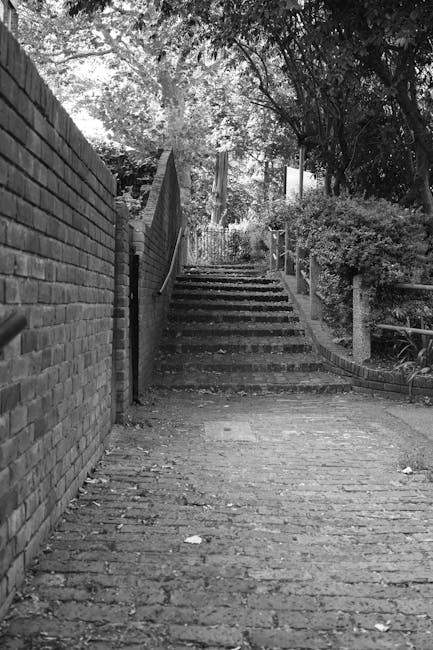
Removals access problems Kingston steep stairs narrow streets

If you've ever looked at a stairwell that seems to shrink by the inch, or a Kingston street where parking is tight, traffic hums, and the van can't quite sit where you need it, you already know the stress. Removals access problems Kingston steep stairs narrow streets can turn a simple moving day into a careful logistics job. The good news? With the right planning, the right vehicle, and a crew that understands awkward access, the day can still run smoothly.
This guide walks through what access problems actually mean in practice, why they matter, how to plan around them, and what to ask before moving day arrives. It also covers the small things that make a big difference: route checks, carrying distances, stair safety, lift use, parking, packing order, and when a smaller vehicle or extra labour is the sensible choice. Let's face it, a move is already a move. No need to add avoidable chaos.
- Why access problems matter in Kingston
- How the moving process works in tight-access homes
- Key benefits of planning ahead
- Who this is for
- Step-by-step guidance
- Expert tips for better results
- Common mistakes to avoid
- Tools and recommendations
- Law, compliance, and best practice
- Options and comparison table
- Case study or real-world example
- Practical checklist
- Conclusion
- Frequently asked questions
Why Removals access problems Kingston steep stairs narrow streets Matters
Access issues are not just an inconvenience. They affect time, safety, vehicle choice, packing strategy, and the overall cost and pace of the move. In Kingston, that often means dealing with older flats, split-level maisonettes, narrow residential roads, busy town-centre streets, limited stopping space, or staircases that seem designed by someone with a very sharp sense of humour.
When access is difficult, small errors quickly become bigger ones. A sofa that would normally be straightforward can become a two-person carry through a twisting staircase. A wardrobe may need partial dismantling. A removal van might need to park farther away than expected, which increases carrying time. And if the route from property to van is uneven, steep, or cluttered, the risk of damage rises. That is why access planning is not a side note; it is part of the move itself.
There is also the local angle. Kingston has a mix of high-street bustle, older streets, modern developments, riverside approaches, and compact flats above shops or in converted buildings. If you've read the local removals guide for Kingston High Street and Kingston Bridge, you'll know the area can be lively and less forgiving than a simple suburban cul-de-sac. Access planning pays off here more than most places.
Expert summary: the more limited the access, the more you should think in terms of route, carry distance, parking, and item handling rather than "just book a van and turn up." That shift in mindset saves time, money, and a lot of shoulder strain.
How Removals access problems Kingston steep stairs narrow streets Works
At a practical level, this type of move is all about matching the property conditions to the right moving method. A good team will look at the access details before the first box is lifted. That means asking where the vehicle can stop, how far items need to be carried, how many floors are involved, whether the staircase is open or boxed in, and whether any large furniture needs to be dismantled first.
Sometimes the answer is simple: use a smaller vehicle, plan for extra carry time, and protect the stairs. Other times, the move needs a bit more tailoring. A property on a steep road might be best served by a more compact vehicle and a quicker shuttle-style load. A flat with a tight turn at the top of the stairs might need bulky furniture measured carefully before the move begins. It sounds fussy, but it avoids the classic "we'll just see on the day" approach. That approach, to be fair, is how people end up sweating over a mattress that will not bend.
In Kingston, tight access often affects these parts of the move:
- Vehicle stopping distance from the entrance
- Parking restrictions and loading windows
- Stair width, headroom, and corner turns
- Floor protection needs in older buildings
- Furniture dismantling and reassembly
- Manual handling risks for heavy or awkward items
When the move is properly assessed, the team can decide whether a standard service, a man and van service in Kingston, or a more tailored approach is the better fit. If you're still comparing options, the broader services overview is a useful place to understand what can be adapted.
Key Benefits and Practical Advantages
Good access planning does more than prevent headaches. It makes the whole move feel calmer and more controlled. That might sound obvious, but when you're standing in a hallway with a three-seater sofa blocking the only sensible route, obvious suddenly becomes valuable.
Here are the main benefits:
- Reduced risk of damage: tighter routes mean more chances for wall scuffs, chipped corners, and scratched bannisters unless the team is prepared.
- Safer lifting: fewer improvised carries means less chance of slips, twists, or overreaching on stairs.
- Better time planning: knowing the carry distance and stair count helps the day run on schedule.
- More accurate pricing: access factors often affect labour and vehicle choice, so quoting becomes more realistic.
- Less stress for everyone: if the crew knows the site conditions in advance, they can focus on the move rather than problem-solving on the doorstep.
There's a quieter benefit too: it helps you decide what to keep, sell, store, or dismantle before moving day. Many people discover that a large bookcase or bed frame simply isn't worth wrestling through a narrow landing. That's when a bit of planning, and sometimes storage in Kingston, can make a lot of sense.
Who This Is For and When It Makes Sense
This topic matters to anyone moving in or around Kingston where access is less than generous. But some people need it more than others.
- Flat movers: especially those on upper floors, in conversions, or in buildings with narrow staircases.
- Students: shared houses and compact flats often mean awkward corridors, shared entrances, and last-minute parking compromises. Student removals in Kingston are often quicker when the access plan is kept simple and realistic.
- Families in terraced homes: narrow streets and steep internal stairs can make larger items harder to move.
- Office movers: printers, desks, filing cabinets, and IT equipment all need more coordination than people expect. You can see how this fits with office removals in Kingston upon Thames.
- Anyone with heavy or fragile items: pianos, wardrobes, mirrors, and awkward furniture pieces need special handling.
It also makes sense if you're moving at short notice. When time is tight, you need the plan to be right the first time. A well-chosen same-day removals service can be useful, but only if access details are clear from the start. Same-day does not mean no-prep. Sadly, life rarely works that way.
Step-by-Step Guidance
If you want a move that feels controlled rather than improvised, follow a proper sequence. The steps below are simple, but each one matters.
- Measure the access route. Check stair width, landing turns, doorway clearance, ceiling height on stairs, and the distance from parking to the entrance.
- List the awkward items. Sofas, beds, wardrobes, table tops, exercise equipment, and anything unusually heavy or fragile should be identified early.
- Take photos. A quick set of pictures of the stairwell, front entrance, parking area, and any tight corners helps the removal team judge the job more accurately.
- Decide what may need dismantling. Flat-pack furniture, bed frames, and some wardrobes move far more easily in pieces.
- Check parking reality, not parking hope. On a narrow Kingston street, the best parking spot on paper may not exist at 8 a.m. on moving day.
- Match the service to the job. For lighter moves, a compact vehicle or man with a van service can be the best fit. Heavier jobs may need a larger removals setup.
- Protect both property and people. Floor runners, stair covers, gloves, and lifting straps should be considered where needed.
- Allow extra time. Tight access almost always slows the job down a little. Build that into the schedule rather than fighting it later.
A small but important point: keep hallways and stairs clear on the day. Even a single coat rack or shoe pile can create an annoying bottleneck. It sounds trivial until you're carrying a dining chair around it.
Expert Tips for Better Results
The most useful tips are often the least glamorous. They do not make for exciting conversation, but they save the day.
- Book a pre-move assessment if access is questionable. A few minutes of planning beats a long day of guesswork.
- Use a room-by-room packing order. When the stairwell is tight, organised loading is everything. You want the first items out to be the items that are easiest to handle.
- Label awkward items clearly. Mark fragile sides and note which furniture needs to be carried upright.
- Keep essential tools handy. A screwdriver, Allen keys, tape, and protective blankets are still the unsung heroes of moving day.
- Think vertically. Narrow streets may allow a van to stop, but steep internal stairs can be the real bottleneck. Judge both.
- Ask about insurance and handling practices. Reputable movers should be able to explain how they protect items and property. If you want to understand those basics in more detail, insurance and safety guidance is worth a read.
One practical tip from real-world moving work: if a sofa is only just too wide for the stair turn, do not assume force will solve it. Usually it won't. Usually it just makes everyone quieter and more worried.
Common Mistakes to Avoid
Access problems tend to punish rushed thinking. The same mistakes appear again and again.
- Underestimating carry distance: even an extra 20 metres from van to front door adds effort, time, and fatigue.
- Forgetting stair turns: a staircase may look fine until a mattress or wardrobe reaches the bend.
- Assuming parking will sort itself out: on narrower Kingston streets, parking can be the difference between a smooth move and a frustrating one.
- Leaving dismantling too late: if furniture needs to come apart, do it before the crew is standing there waiting.
- Packing too much into large boxes: heavy boxes are awful on stairs. Really awful.
- Not mentioning access issues at quote stage: this is the big one. A clear description helps avoid surprises later.
Another common error is overlooking local context. If you are moving near busy routes, high streets, or around bridge traffic, timing matters. The article on house removals in the Canbury Park and Bentall Centre area is a good reminder that Kingston moves often need a local eye, not just a generic moving plan.
Tools, Resources and Recommendations
You do not need a van full of gadgets to handle a difficult access move, but a few basics make a huge difference.
| Tool or resource | Why it helps | Best used for |
|---|---|---|
| Measuring tape | Checks doorway widths, stair clearance, and furniture dimensions | Planning before move day |
| Furniture blankets | Protects surfaces during stair carries and tight turns | Wardrobes, tables, cabinets |
| Ratchet straps or tie-downs | Keeps items secure in the vehicle | Longer items and stacked loads |
| Protective gloves | Improves grip and reduces minor knocks | Heavy lifting and awkward routes |
| Room labels and marker pens | Speeds unloading and reduces confusion | Multi-room or multi-floor moves |
For people comparing moving setups, the practical choice is often between a full removals team, a man and a van in Kingston upon Thames, or a larger vehicle option such as a removal van service. There is no single right answer. It depends on volume, stair difficulty, parking, and how much help you need on the day.
If you want a broader view of service types, the removal services in Kingston upon Thames page can help you compare the general shape of the options. And if the move involves boxes and wrapping, the packing and boxes service may save more time than you expect.
Law, Compliance, Standards, or Best Practice
For removals, the most relevant point is not a dramatic legal rule; it is duty of care, sensible manual handling, and safe site practice. In the UK, moving work should be approached with attention to safe lifting, clear access, and risk reduction. If stairs are steep or the route is narrow, the team should adapt the method rather than forcing a standard process onto an unsuitable space.
Good practice usually includes:
- Carrying out a reasonable access check before the move
- Using suitable equipment where needed
- Reducing the risk of slips, trips, and falling items
- Protecting floors, doors, walls, and banisters where practical
- Communicating honestly about limitations, delays, or extra labour
If you are comparing providers, it is sensible to look for clear service terms, transparent pricing, and basic safety information. The pages on terms and conditions, health and safety policy, and accessibility statement are useful trust signals because they show the business thinks beyond the first quotation. That matters more than people realise.
For the same reason, payment clarity also helps reduce stress. If access is tricky and the job may take longer, you want to understand how quoting and payment work in advance. The payment and security information page is the kind of thing many people overlook until the last minute.
Options, Methods, or Comparison Table
Different access problems call for different approaches. Here is a simple comparison that may help you decide what fits best.
| Method | Best for | Strengths | Watch-outs |
|---|---|---|---|
| Small van / man and van | Light to medium moves with tight streets | Easier parking, flexible access, often quicker in compact areas | May require multiple trips if load is large |
| Full removals team | Large homes, heavy furniture, difficult staircases | More labour, better for bulky items, usually more structured | Needs more space and planning |
| Removal van with careful loading | Mixed-size moves where access is awkward but volume is manageable | Good balance of capacity and flexibility | Still depends on street parking and carry distance |
| Storage-first move | Staged moves, renovation gaps, or overfull properties | Reduces pressure on the main move day | Requires extra planning and an extra handover |
For many Kingston moves, especially where streets are narrow and access is a bit awkward but not extreme, a small-to-medium vehicle can be the sweet spot. If you want to explore that route, the man with van rates page gives you a sense of how service style and job size can influence the booking choice. No mystery, no theatrics. Just the practical maths of moving.
Case Study or Real-World Example
A recent-style example many people will recognise: a top-floor flat in a Kingston side street, one narrow staircase, a tight bend at the landing, and a van that cannot sit directly outside for long because the road is busy. Nothing dramatic, but enough to complicate the day.
The move went well because the access issues were discussed early. The team knew there was limited stopping space, so they planned a compact vehicle and a faster loading pattern. The clients measured the stairwell and identified the bulky items in advance. One wardrobe was dismantled ahead of time, the bed frame was stripped down, and the boxes were packed with stair carrying in mind rather than just room stacking. The heaviest items were loaded first, not last, which is one of those tiny decisions that makes the whole day feel less chaotic.
What could have gone wrong? Quite a lot, honestly. The sofa might not have cleared the turn. The van could have been parked too far away. The stairwell could have been scratched. But because the access picture was clear, the team worked with the property instead of against it. That is the key idea behind this whole article.
If you are interested in how access planning changes between different types of property, the article on flat removals KT1 access tips is a useful local follow-up. It's the sort of detail people wish they had checked earlier. Usually after carrying a wardrobe halfway down a staircase. Oof.
Practical Checklist
Use this checklist before booking or on the run-up to moving day. It keeps the move grounded in reality.
- Measure all entrances, stair widths, and key corners
- Confirm whether the property has a lift and whether it is usable for removals
- Check where the van can legally and realistically stop
- List bulky, fragile, or heavy items separately
- Decide which furniture needs dismantling
- Keep hallways, stairs, and landings clear
- Protect floors, banisters, and doors if needed
- Pack heavy boxes lightly enough to carry on stairs
- Tell the mover about any parking or access limitations early
- Allow extra time for loading and unloading
- Prepare keys, labels, tools, and essentials in one place
Quick takeaway: if you can describe the access route clearly, you are already halfway to a smoother move.
If you are still weighing up the best setup for a difficult property, take a moment to review the wider removals Kingston upon Thames service options, or speak directly through the contact page to talk through the staircase, street width, and vehicle access before booking. That short conversation can save a lot of effort later.
Conclusion
Removals access problems Kingston steep stairs narrow streets are not unusual in Kingston, and they are not a reason to panic. They are simply a reason to plan properly. Once you start thinking in terms of carrying distance, stair turns, parking reality, and furniture dimensions, the whole move becomes easier to manage. A smaller vehicle may be smarter. Extra labour may be worth it. Dismantling that one awkward wardrobe may be the best decision you make all week.
The main thing is honesty at the planning stage. Say what the access really looks like. Measure the tricky bits. Photograph the stairwell. Ask the awkward question about parking. It all helps. And when it's done well, the move feels less like a scramble and more like a job handled by people who know what they're doing.
Get a free quote today and see how much you can save.
Frequently Asked Questions
What are the most common removals access problems in Kingston?
The most common issues are narrow streets, limited parking, steep internal stairs, tight landings, and flats above shops or in older buildings. In many Kingston properties, more than one issue appears at once, which is why planning matters.
How do I know if my staircase is too narrow for furniture?
Measure the staircase width, the turn on the landing, and the tallest or widest item you need to move. If a sofa, wardrobe, or bed frame looks tight on paper, it usually will be tight in real life. Photos help a mover judge it properly.
Can a man and van service handle steep stairs?
Often yes, provided the load is manageable and the access details are shared in advance. For lighter moves or smaller homes, a service like man and van in Kingston upon Thames can be a practical choice.
Do narrow streets make a removals job more expensive?
They can, because narrow streets may increase carrying time, parking complexity, or the need for a more suitable vehicle. That said, the exact effect depends on the property, the load, and how much planning is done before moving day.
Should I dismantle furniture before a difficult-access move?
Usually yes if the item is bulky, awkward, or borderline for the stairs or doorway. Beds, wardrobes, and large tables often move more safely and efficiently when dismantled first.
What if the van cannot park outside my property?
That is common in busy or narrow parts of Kingston. The team may need to park farther away and allow for a longer carry distance. It is best to mention this early so the job can be planned accurately.
Are upper-floor flats more difficult to move from?
Yes, especially if the building has no lift or a very tight staircase. Upper floors usually mean extra carrying time and more care with heavy items. Flat moves often benefit from a more detailed access check.
What should I tell the removals company before booking?
Tell them about stair size, parking options, floor level, lift access, the size of bulky furniture, and any restrictions around loading or stopping. A clear picture leads to a better quote and a smoother move.
Is same-day removals realistic if access is tricky?
It can be, but only if the access problem is straightforward and the load is sensible. If the property has steep stairs or a long carry distance, same-day still works best when expectations are realistic from the start.
What is the safest way to carry items down steep stairs?
The safest approach is slow, controlled movement, good communication, sensible lifting posture, and using the right number of people for the item. If something feels unstable or too heavy, pause and reassess rather than forcing it.
How can I make a narrow-street move easier on the day?
Clear the route, reserve or confirm parking where possible, keep boxes tidy and lightweight, dismantle big furniture in advance, and make sure the mover knows the access constraints. Small actions, but they stack up nicely.
Where can I find more information about moving options in Kingston?
You can start with the services overview, then check the specific moving pages that fit your property type. If you want tailored help, speak through the contact page and explain the access situation in plain English. That usually gets the best response.